


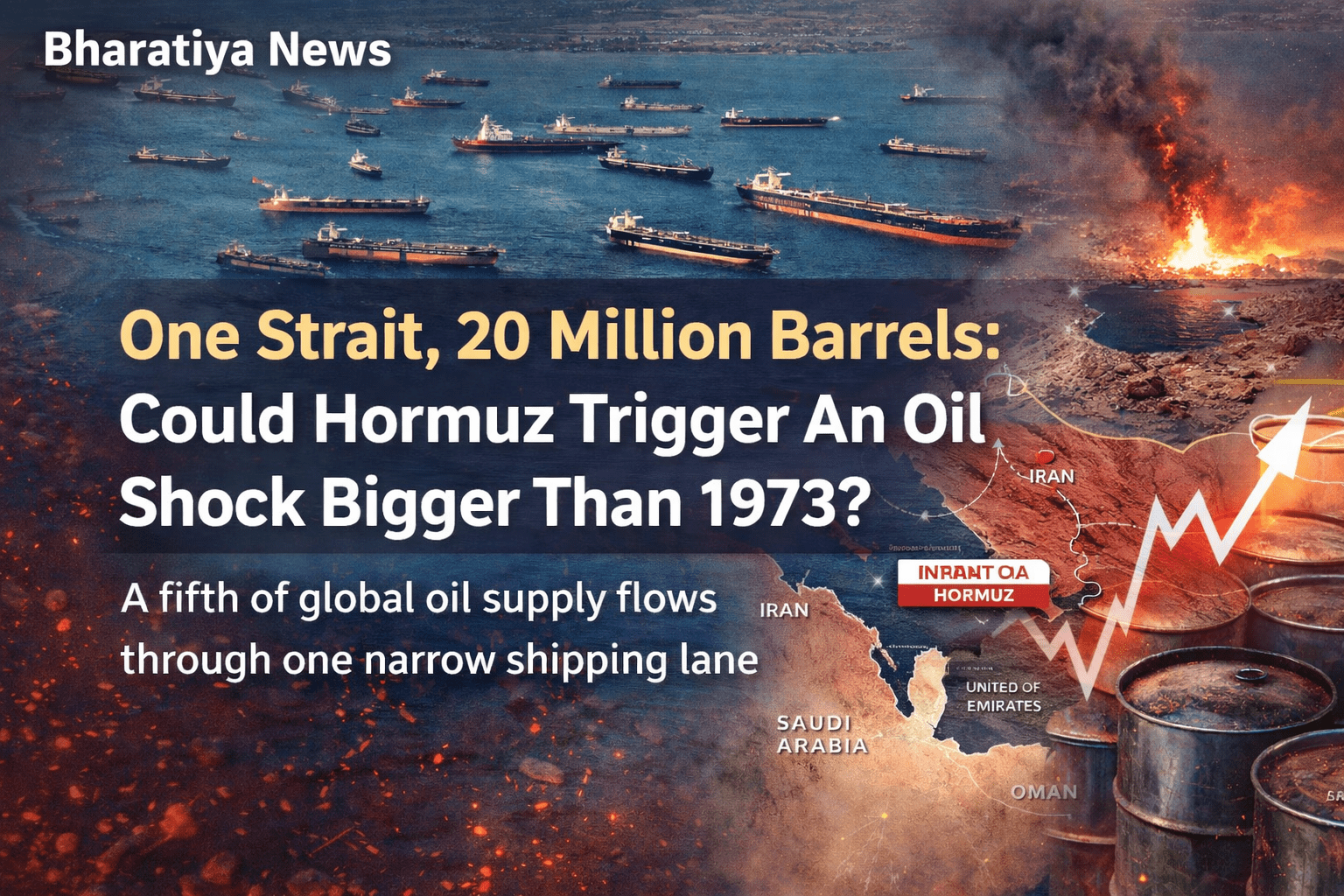
One Strait, 20 Million Barrels: Could Hormuz Trigger an Oil Shock Bigger Than 1973?
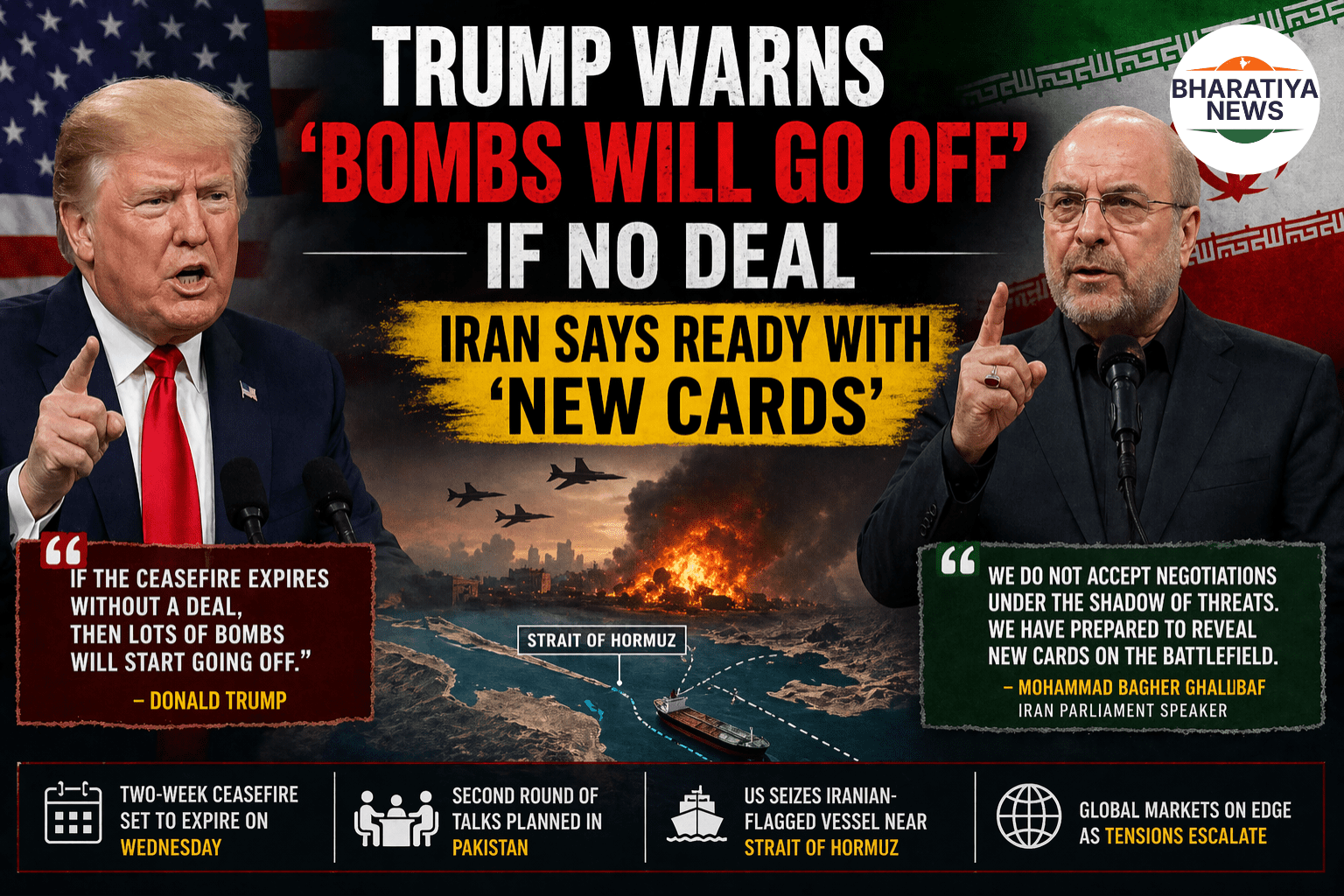
Global oil markets are once again on edge as tensions around the Strait of Hormuz threaten to disrupt one of the world’s most critical energy chokepoints.
Brent crude prices have surged toward $120 per barrel, reviving comparisons with the oil shocks of the 1970s. Analysts warn that any prolonged disruption in the Strait of Hormuz could send shockwaves through global markets, as the world currently consumes nearly 100 million barrels of oil per day.
At the centre of the concern lies a narrow but vital maritime corridor.
According to data from the U.S. Energy Information Administration (EIA), approximately 20 million barrels of oil and petroleum liquids pass through the Strait of Hormuz every day. That volume represents around 20% of global oil consumption and more than a quarter of all seaborne oil trade.
Asia Faces the Greatest Risk
A large portion of the oil flowing through Hormuz is destined for Asian economies. Countries including China, India, Japan, and South Korea collectively account for well over half of the crude shipments passing through the strait.
As a result, analysts warn that Asia would likely face the most immediate economic impact if shipments were disrupted.
The alarm has been amplified by a widely circulated market analysis from The Kobeissi Letter, a financial newsletter, which suggested that a complete shutdown of the strait could trigger “the largest oil supply shock in history.”
Bigger Than Past Oil Crises?
The potential scale of disruption is significant.
If the entire 20 million barrels per day were halted, the supply shock would far exceed several major historical disruptions:
- The 1973 oil embargo during the Yom Kippur War removed roughly 4–5.5 million barrels per day from the market.
- The Iranian Revolution (1978–79) disrupted about 5–6 million barrels per day.
- The Iran–Iraq War beginning in 1980 reduced supply by approximately 4 million barrels per day.
In raw volume terms, a complete blockade of Hormuz could eclipse each of these historic energy shocks.
Worst-Case Scenario
However, experts caution that the 20-million-barrel estimate represents a worst-case scenario.
Even in a crisis, some shipments could continue moving through the strait. Additionally, regional producers such as Saudi Arabia and the United Arab Emirates maintain limited pipeline routes that bypass the chokepoint.
Global strategic petroleum reserves could also be released to soften the immediate impact.
Still, even a partial disruption could significantly push oil prices higher.
What It Means for India
For major importers like India, the main threat would likely come from rising prices rather than outright shortages.
India imports nearly 85% of its crude oil needs, making the economy particularly sensitive to global price swings. Research from the Reserve Bank of India (RBI) suggests that a 10% increase in crude prices can push inflation higher and slow economic growth in the short term.
If oil prices stabilise near current levels, the shock may remain manageable. But economists warn that a sustained 20–30% surge could ripple across inflation, fiscal balances, and financial markets.
A Structural Vulnerability
The broader concern goes beyond current tensions.
The global energy system has effectively concentrated one-fifth of the world’s oil supply through a single narrow shipping lane with limited alternatives.
If that artery were ever fully blocked for a prolonged period, analysts say the resulting supply shock could surpass anything seen in modern energy markets.
For traders and policymakers alike, the critical question now is how long the Strait of Hormuz remains vulnerable — and how high oil prices might climb before the world discovers the true limits of this potential crisis.